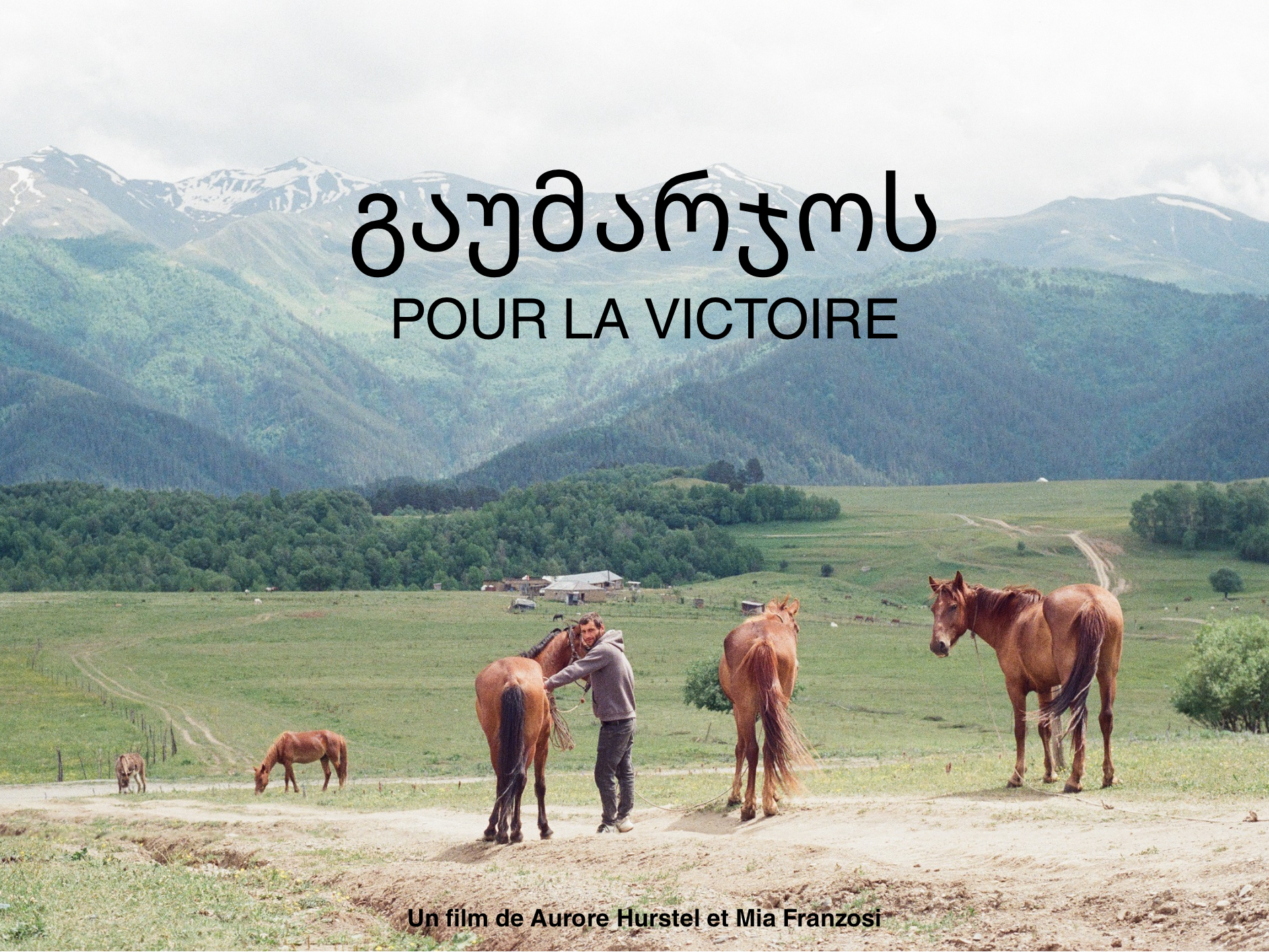
Trailer for the documentary Le Peuple de la Mer, directed and filmed by Mia Franzosi and written by Aurore Hurstel.
Produced by RMC Découverte.
Produced by RMC Découverte.
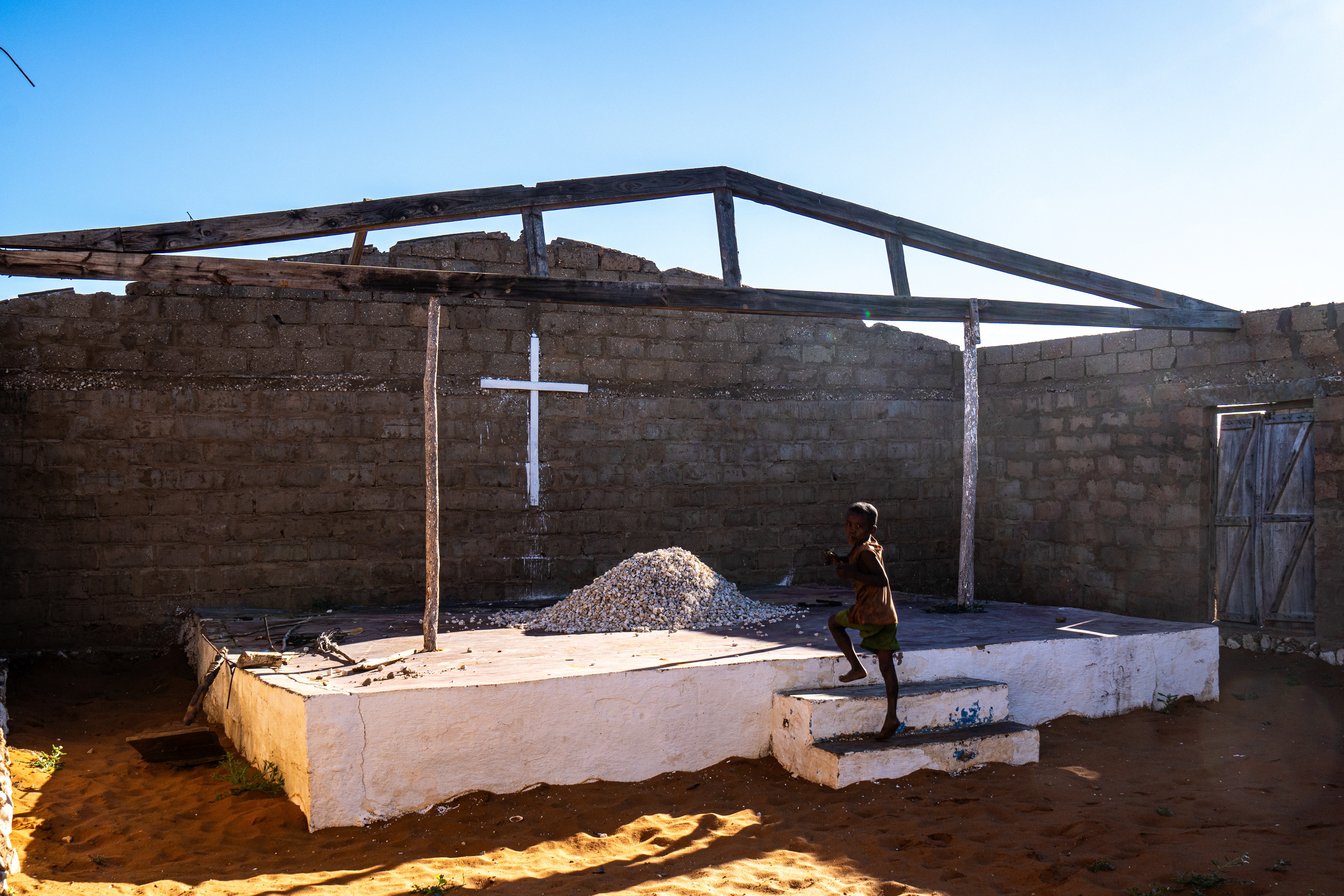
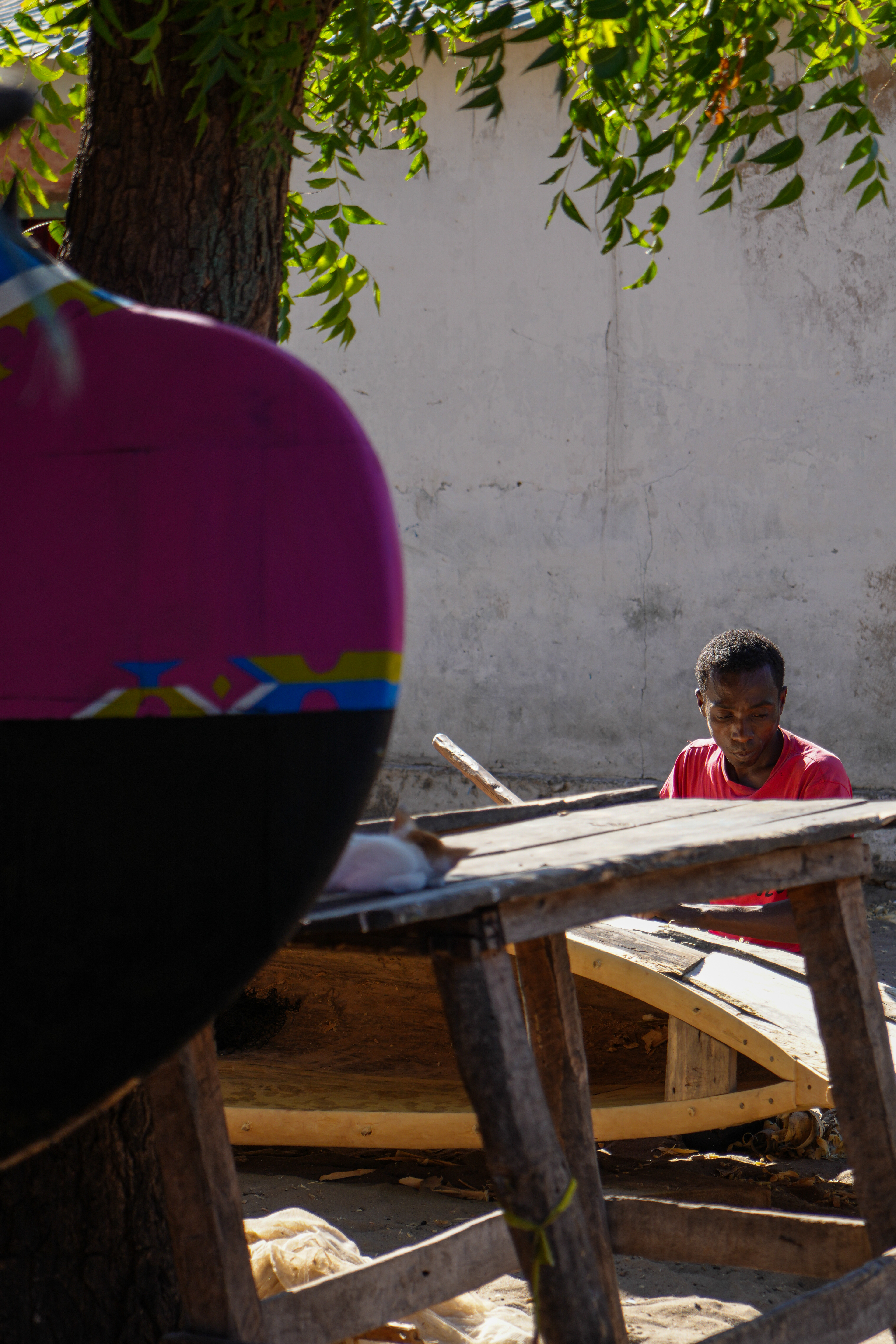
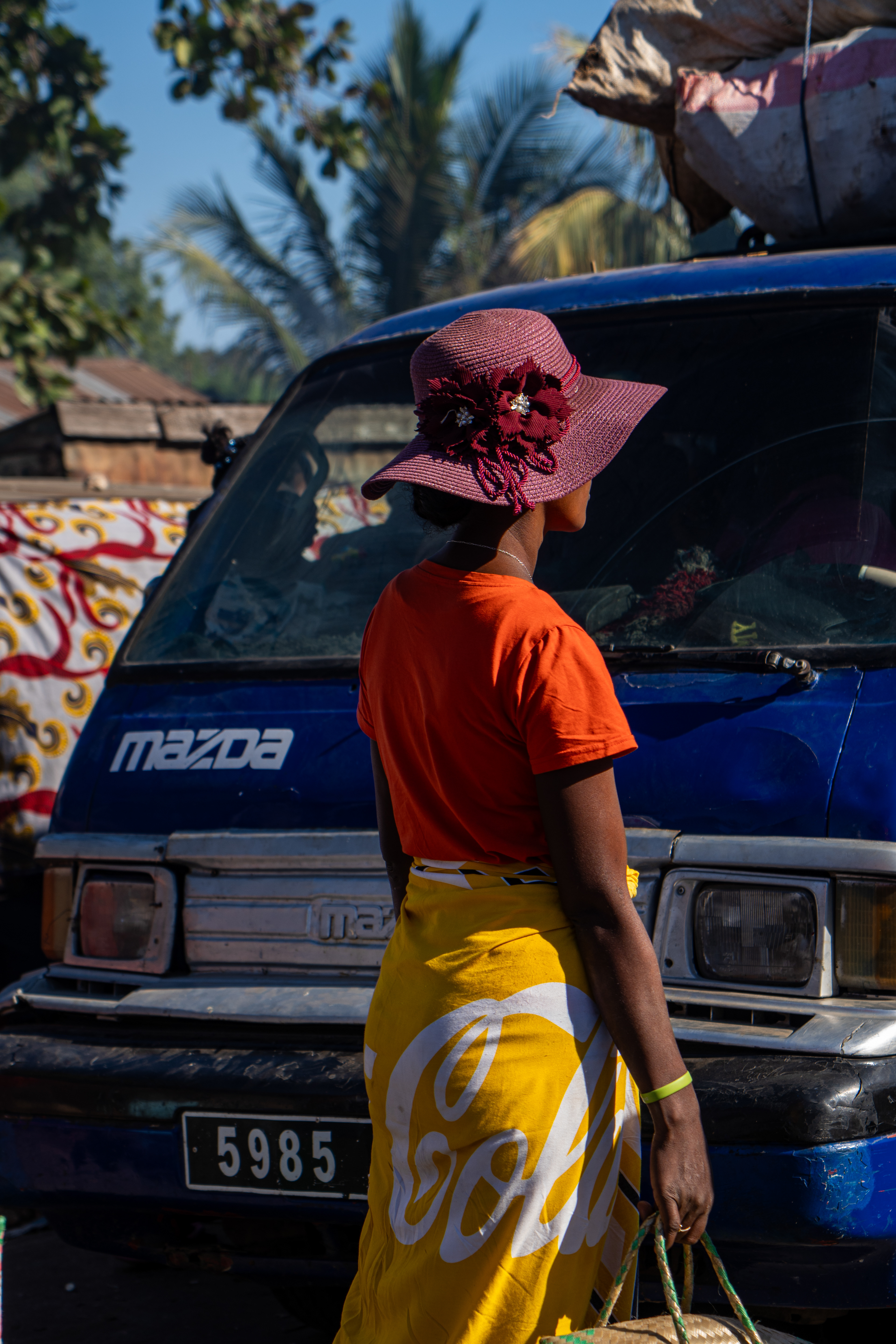
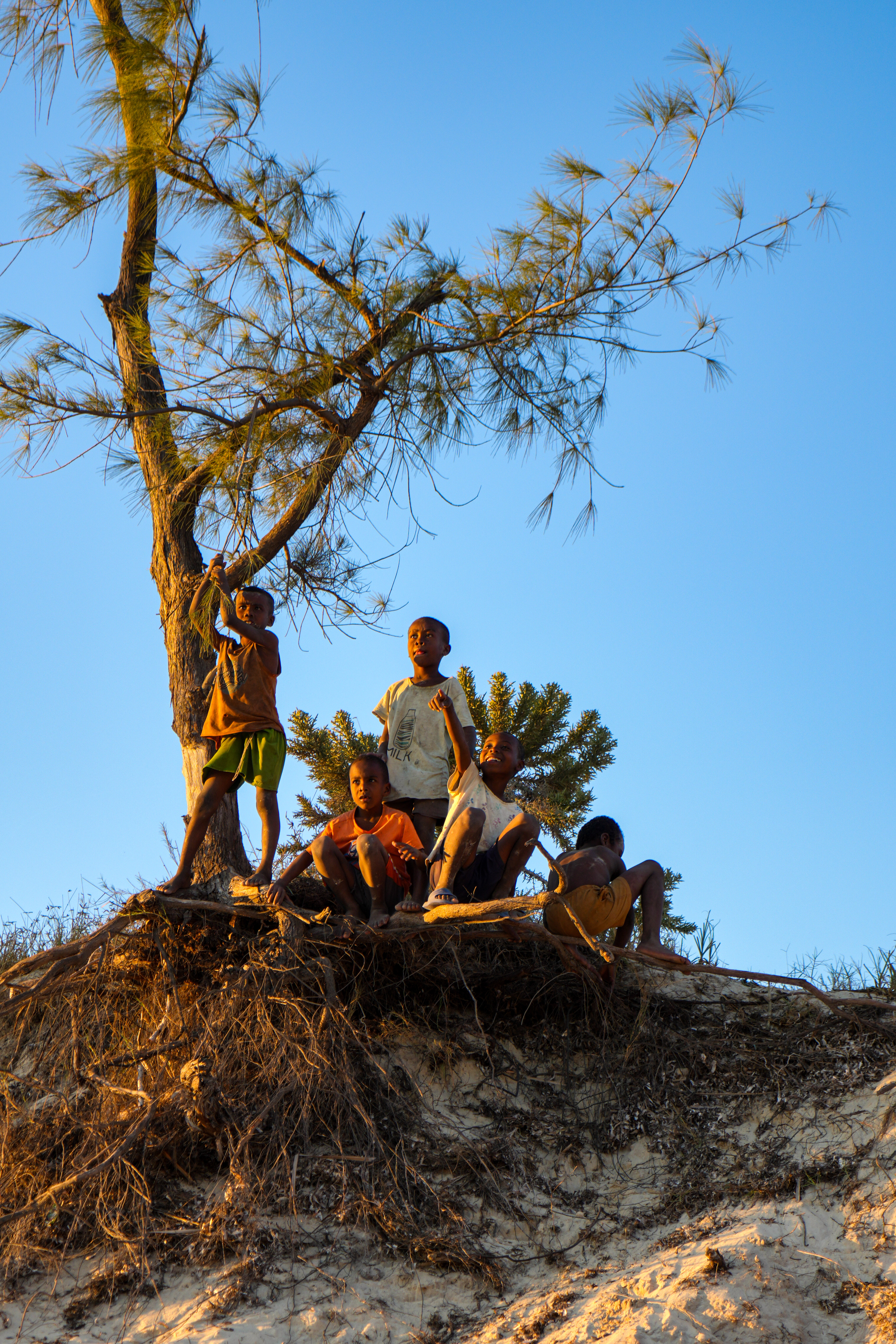
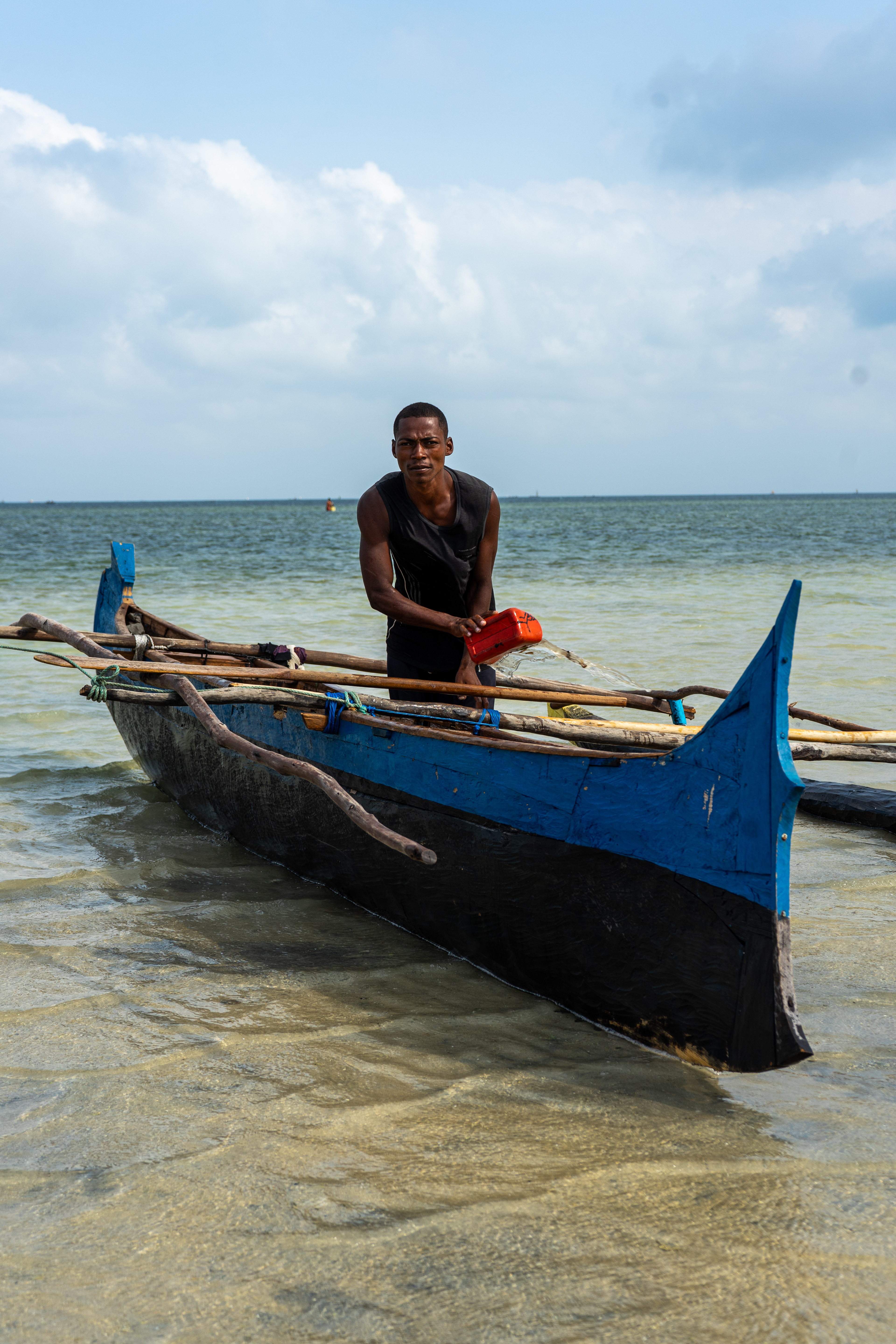
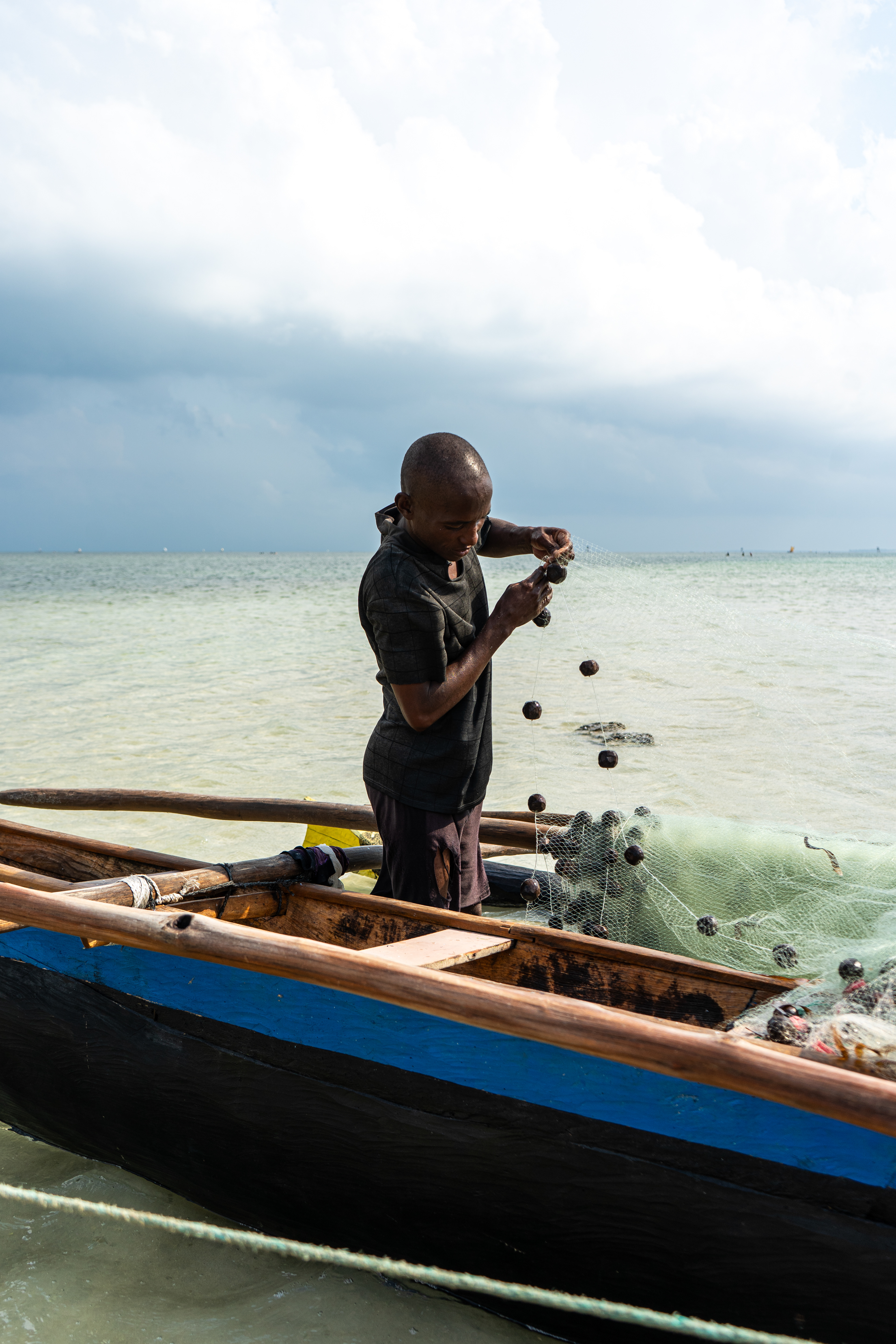
This documentary delves into the heart of the Vezo community, a semi-nomadic people from the southwest of Madagascar. By retracing their daily lives, we discover a way of life built around traditional fishing—deeply rooted in a local and autonomous economic model that is now disappearing.
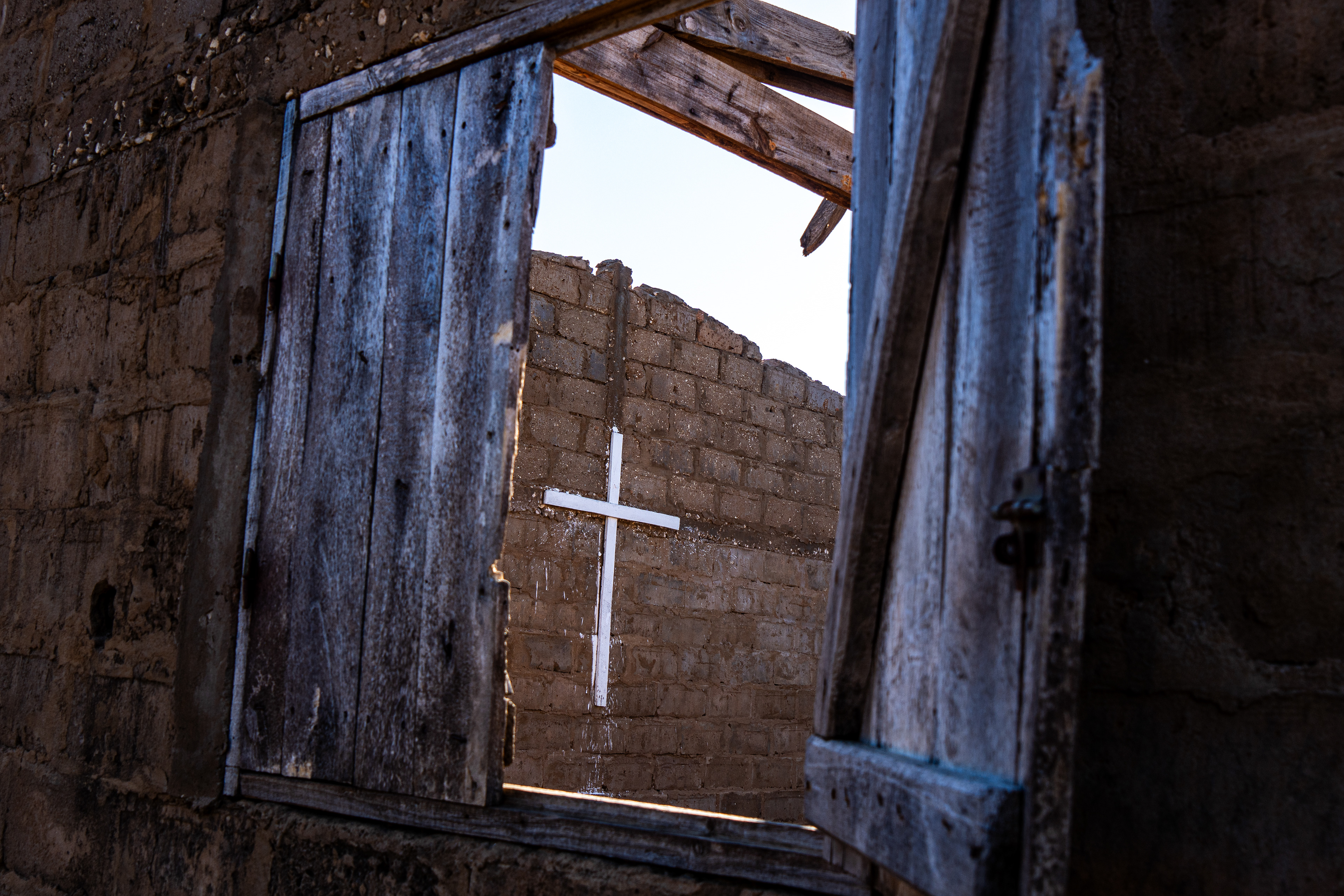
Although the Vezos are Catholic, they integrate animist practices into their beliefs, creating a fascinating cultural syncretism that is often perceived as such today. This blending of traditions is reflected in rituals such as polygamy, circumcision, and seasonal ceremonies, as well as in the founding myth of the mermaids, a cornerstone of their spiritual and social identity.
However, the balance of this lifestyle is seriously threatened. Pollution along Madagascar’s coasts endangers their main source of livelihood—fishing—forcing them to confront powerful international corporations. As a result, the community now faces new forms of economic and social vulnerability, including child prostitution and organ trafficking.
Through the testimonies of fishermen, their families, Catholic sisters, and the Vezo village chief, Michel Alter, this documentary explores the richness of their culture and the existential challenges faced by a community on the brink of disappearance in a rapidly changing Madagascar.
Although the Vezos are Catholic, they integrate animist practices into their beliefs, creating a fascinating cultural syncretism that is often perceived as such today. This blending of traditions is reflected in rituals such as polygamy, circumcision, and seasonal ceremonies, as well as in the founding myth of the mermaids, a cornerstone of their spiritual and social identity.
However, the balance of this lifestyle is seriously threatened. Pollution along Madagascar’s coasts endangers their main source of livelihood—fishing—forcing them to confront powerful international corporations. As a result, the community now faces new forms of economic and social vulnerability, including child prostitution and organ trafficking.
Through the testimonies of fishermen, their families, Catholic sisters, and the Vezo village chief, Michel Alter, this documentary explores the richness of their culture and the existential challenges faced by a community on the brink of disappearance in a rapidly changing Madagascar.